
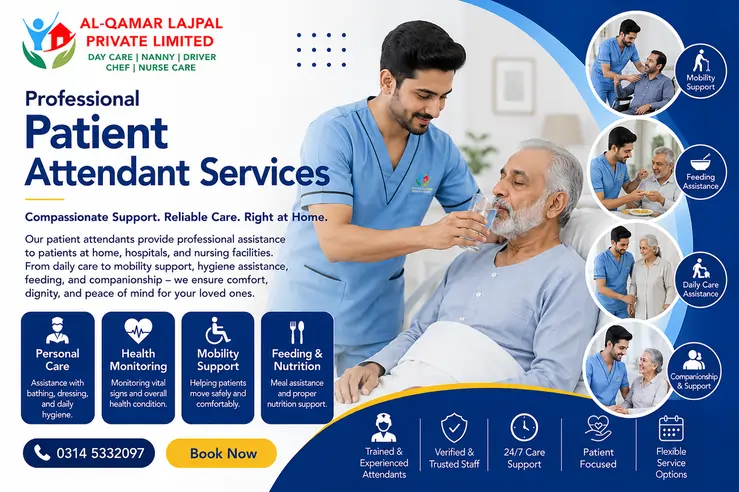
Signs an Elderly Person Needs Professional Care
As our loved ones age, they often require more attention and support to maintain their health, safety, and independence. While family members do their best to provide care, there comes a point when professional assistance becomes the safest and most practical option. Recognizing the early signs that an elderly person needs professional care can prevent medical emergencies, improve quality of life, and provide peace of mind for the entire family.
Professional home care allows seniors to remain in the comfort of their own homes while receiving expert medical and personal support tailored to their individual needs.
Why Recognizing the Signs Early Matters
Ignoring the warning signs of declining health can lead to serious complications such as falls, infections, medication errors, and hospital admissions. Early intervention through professional home nursing or caregiving services helps seniors maintain dignity, independence, and a better quality of life.
1. Frequent Falls or Difficulty Walking
One of the biggest warning signs is repeated falls or trouble maintaining balance. Seniors who struggle to walk safely are at higher risk of fractures and serious injuries.
Professional caregivers help by:
-
Assisting with mobility
-
Preventing falls
-
Supporting safe movement
-
Monitoring physical health
2. Memory Loss and Confusion
Occasional forgetfulness is normal with aging, but persistent memory problems may indicate dementia or Alzheimer's disease.
Warning signs include:
-
Forgetting family members
-
Getting lost in familiar places
-
Missing medications
-
Confusion about dates or time
-
Repeating the same questions
Professional caregivers provide structured routines and continuous supervision to ensure safety.
3. Poor Personal Hygiene
When seniors begin neglecting their hygiene, it may indicate physical weakness, depression, or cognitive decline.
Common signs include:
-
Unwashed clothes
-
Body odor
-
Untidy appearance
-
Infrequent bathing
-
Poor oral hygiene
Professional caregivers assist with daily personal care while respecting the patient's dignity.
4. Difficulty Managing Medications
Many elderly individuals take multiple medications daily. Missing doses or taking incorrect medicines can lead to serious health complications.
Professional nursing services ensure:
-
Medication reminders
-
Correct dosage administration
-
Blood pressure monitoring
-
Blood sugar monitoring
-
Timely communication with physicians
5. Unexplained Weight Loss
Sudden weight loss often indicates poor nutrition, difficulty swallowing, depression, or an underlying medical condition.
Professional caregivers help with:
-
Meal preparation
-
Feeding assistance
-
Nutrition monitoring
-
Hydration management
6. Chronic Health Conditions Becoming Worse
Seniors living with conditions such as:
-
Diabetes
-
Stroke
-
Heart disease
-
COPD
-
Parkinson's disease
-
Cancer
often require skilled nursing care to manage symptoms and prevent complications.
Professional nurses provide:
-
Vital signs monitoring
-
Medication administration
-
Wound care
-
IV therapy
-
Oxygen therapy
-
Rehabilitation support
7. Increased Isolation and Depression
Social withdrawal can negatively affect both physical and mental health.
Signs include:
-
Avoiding conversations
-
Sleeping excessively
-
Loss of interest in hobbies
-
Feelings of sadness
-
Anxiety
Professional caregivers provide companionship, emotional support, and meaningful daily engagement.
8. Difficulty Performing Daily Activities
When seniors struggle with everyday tasks, they may no longer be able to live independently.
Activities include:
-
Dressing
-
Bathing
-
Cooking
-
Eating
-
Toileting
-
Housekeeping
Professional caregivers assist while encouraging as much independence as possible.
9. Unsafe Living Environment
An elderly person's home may become unsafe if they can no longer maintain it.
Examples include:
-
Clutter
-
Spoiled food
-
Missed bills
-
Fire hazards
-
Poor housekeeping
Professional caregivers help maintain a clean, organized, and safe environment.
10. Family Caregiver Burnout
Family members often experience emotional and physical exhaustion while caring for aging parents.
Common signs include:
-
Stress
-
Sleep deprivation
-
Anxiety
-
Fatigue
-
Difficulty balancing work and caregiving
Professional home care allows family members to focus on spending quality time with their loved ones instead of becoming overwhelmed by caregiving responsibilities.
Benefits of Professional Elderly Care at Home
Professional home care offers numerous advantages:
-
Personalized one-on-one care
-
Skilled nursing services
-
Medication management
-
Fall prevention
-
Improved nutrition
-
Emotional companionship
-
Better recovery after illness or surgery
-
Reduced hospital readmissions
-
Enhanced comfort at home
-
Peace of mind for families
Choosing the Right Professional Care Provider
When selecting a home care provider, consider:
-
Qualified and experienced nurses
-
Background-verified caregivers
-
24/7 availability
-
Personalized care plans
-
Transparent pricing
-
Emergency support
-
Positive client reviews
-
Strong reputation
Final Thoughts
Recognizing the signs that an elderly person needs professional care is one of the most important steps families can take to protect their loved ones. Whether it's declining mobility, memory loss, medication challenges, or increasing medical needs, timely professional support can significantly improve safety, comfort, and overall well-being.
Home nursing and elderly care services allow seniors to age with dignity while receiving compassionate, high-quality care in the familiar surroundings of their own home.
Frequently Asked Questions
Common signs include frequent falls, memory loss, poor hygiene, difficulty managing medications, weight loss, chronic health problems, and trouble performing daily activities.
Yes. Professional home nursing and caregiving services allow seniors to receive medical and personal care in the comfort and safety of their own homes.
If your parent struggles with mobility, personal care, medication management, or has ongoing medical conditions that require regular monitoring, professional care is recommended.
Caregivers assist with bathing, dressing, feeding, mobility support, medication reminders, companionship, meal preparation, and daily living activities. Skilled nurses can also provide wound care, injections, IV therapy, and chronic disease management.
Early professional care helps prevent falls, medication errors, malnutrition, and hospitalizations while improving the senior's quality of life, independence, and overall health.
Need Professional Elderly Care at Home?
If your loved one is showing signs of needing extra support, Al-Qamar Lajpal is here to help. We provide compassionate, reliable, and professional home nursing and elderly care services tailored to each patient's unique needs. Our experienced caregivers and qualified nurses are available for short-term, long-term, 12-hour, and 24-hour care, ensuring your family member receives the highest standard of care in the comfort of home.
- Affordable Home Nursing Services
- Affordable Caregiver Services at Home
- Affordable Home Patient Attendant
- Ambulance Service
- Blood Test at Home
- Diabetes Patient Care
- Disabled Care at Home
📞 Phone & WhatsApp: 0314 5332097
🌐 Website: alqamarlajpal.com
Contact Al-Qamar Lajpal today to discuss a personalized care plan for your loved one.